Crash Barrier Manufacturer for Highways, Bridges & Infrastructure Projects

VNM Infratech is a leading Crash Barrier specializing in IRC-compliant, MORTH-compliant, and ISO-certified roadside safety systems for highways, expressways, bridges, flyovers, industrial corridors, smart city projects, airports, ports, and large-scale infrastructure developments.

With 16+ years of industry experience, advanced steel fabrication capabilities, PAN India supply network, and growing global market reach, VNM Infratech delivers durable, high-performance crash barrier systems engineered to improve road safety, reduce accident severity, and protect critical infrastructure assets.

Crash barriers are among the most important components of modern highway safety infrastructure because they absorb impact energy, redirect vehicles, and prevent vehicles from leaving the roadway during accidents.

What is a Crash Barrier?

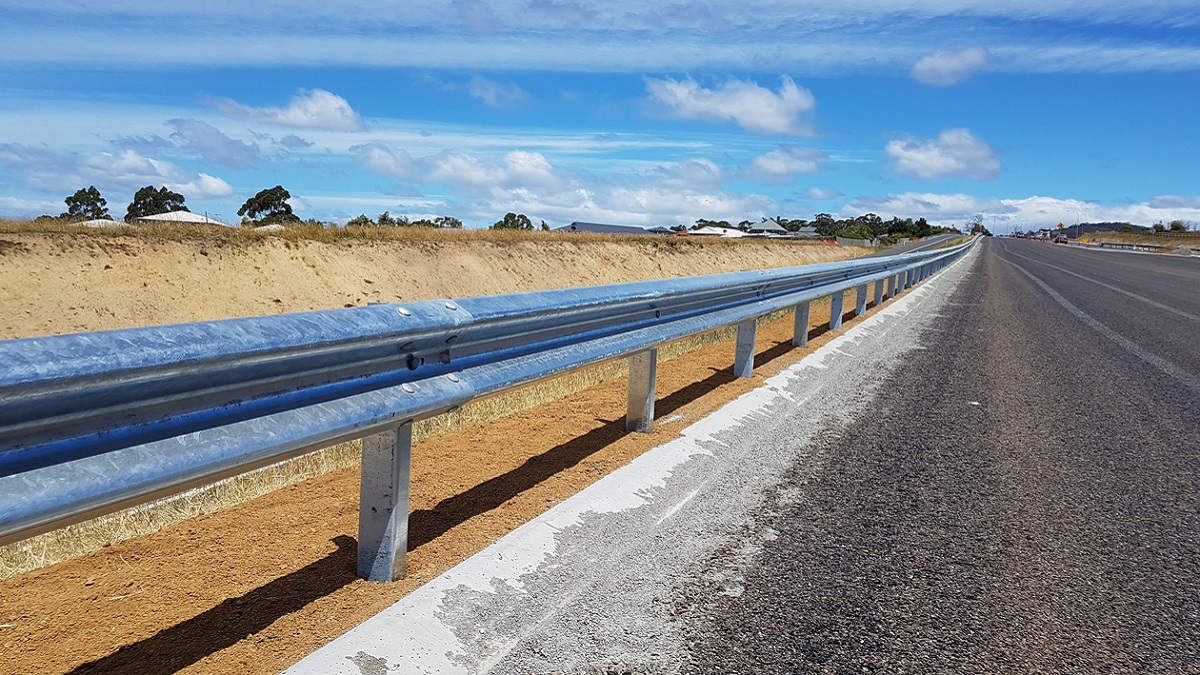
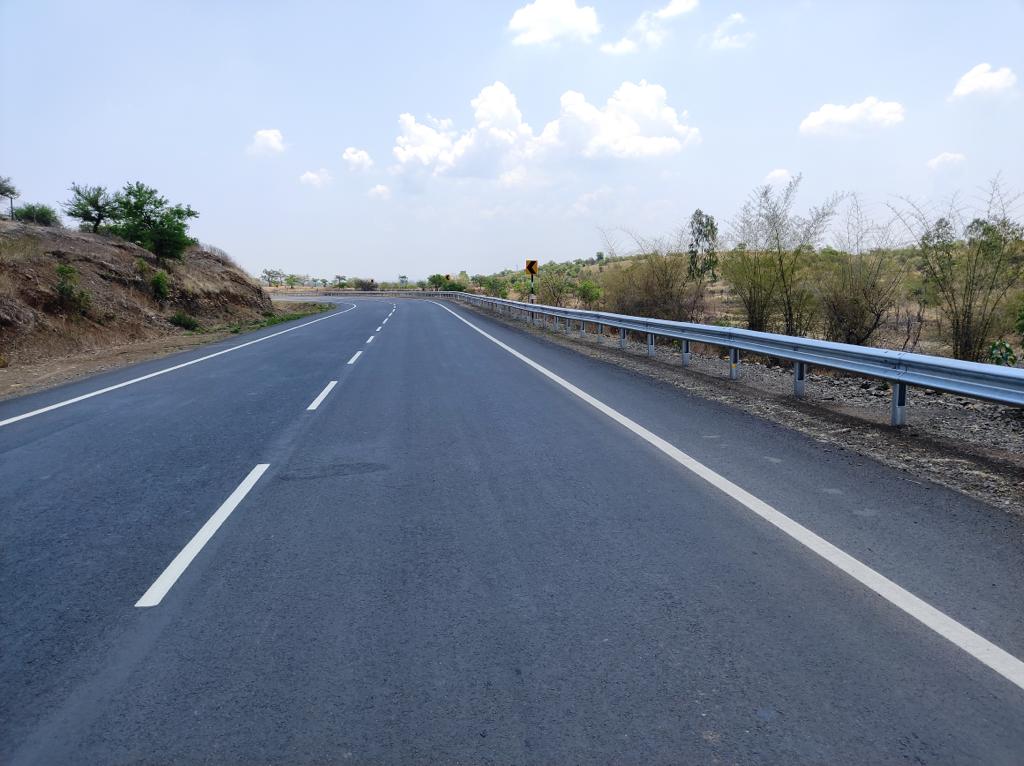
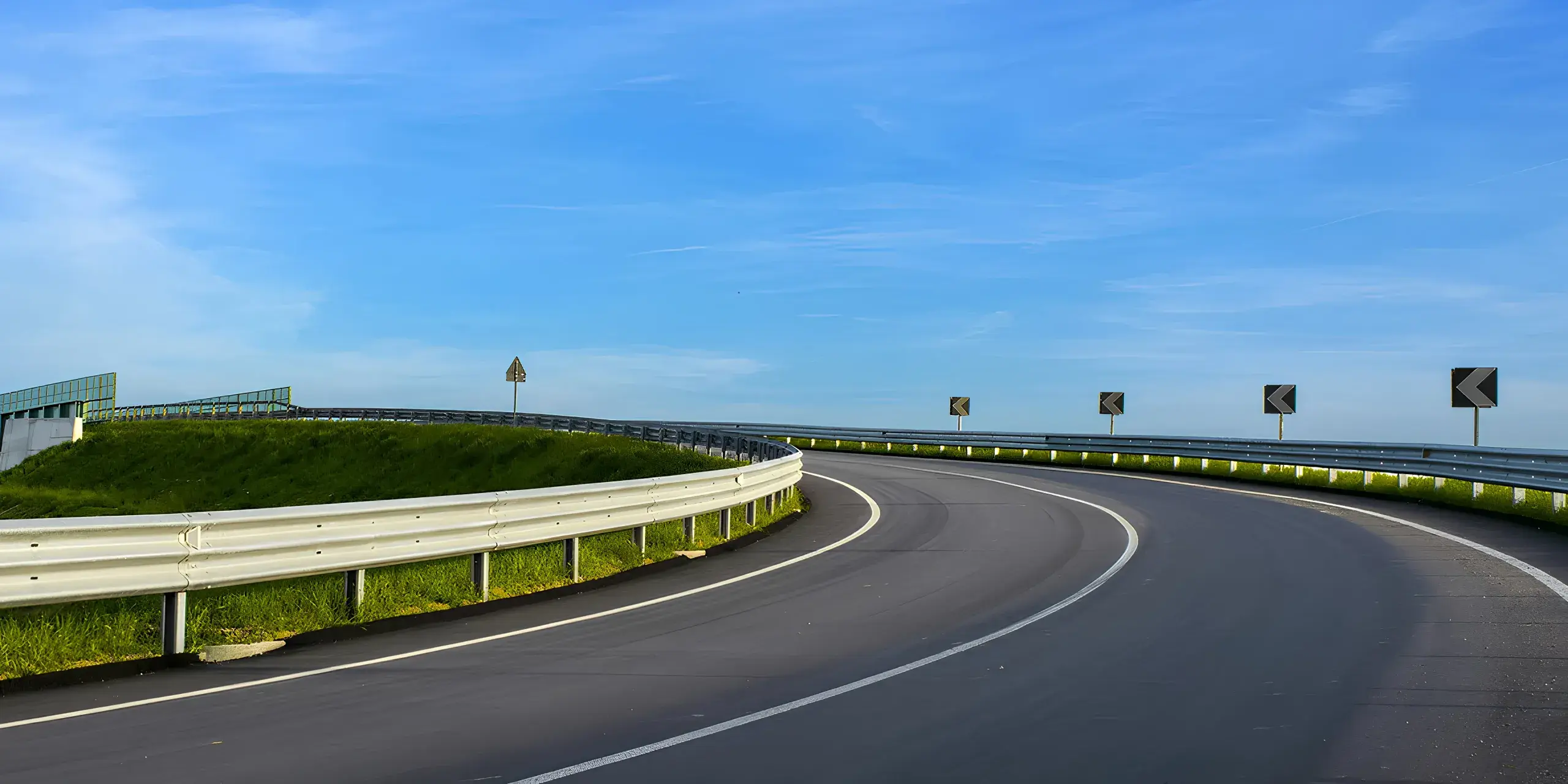
A crash barrier is a roadside safety system designed to absorb impact energy, redirect vehicles, and reduce the severity of collisions. These barriers are installed along highways, bridges, medians, flyovers, and hazardous roadside locations to prevent vehicles from colliding with fixed obstacles or leaving the roadway.

Also known as guardrails, roadside protection systems, or vehicle restraint systems, crash barriers play a critical role in highway engineering and transportation safety.

Key Functions

  • Vehicle containment
  • Impact energy absorption
  • Vehicle redirection
  • Bridge edge protection
  • Median safety
  • Infrastructure protection
  • Accident severity reduction

A crash barrier is a roadside safety system that absorbs impact energy and redirects vehicles during accidents. It helps prevent vehicles from leaving the roadway, protects infrastructure, and improves road safety on highways, bridges, and expressways.

Why Crash Barriers Are Essential for Road Safety

Roadside safety barriers are among the most effective passive safety systems used in modern transportation infrastructure.

Crash Barriers Help:

✔ Reduce accident severity
✔ Prevent vehicle rollover
✔ Protect roadside assets
✔ Improve highway safety
✔ Enhance bridge protection
✔ Reduce infrastructure damage
✔ Improve traffic safety performance

Types of Crash Barriers

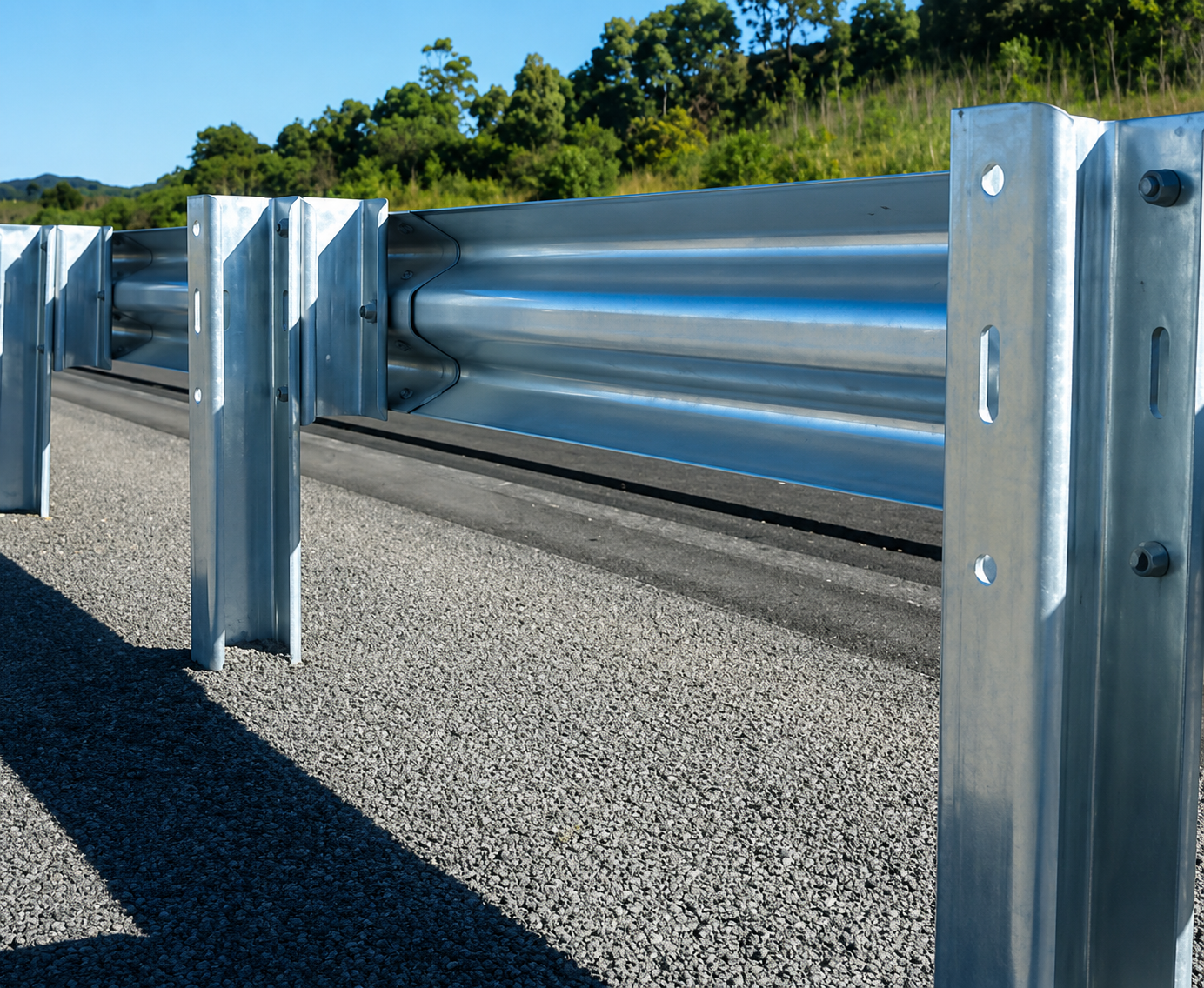
W Beam Crash Barrier

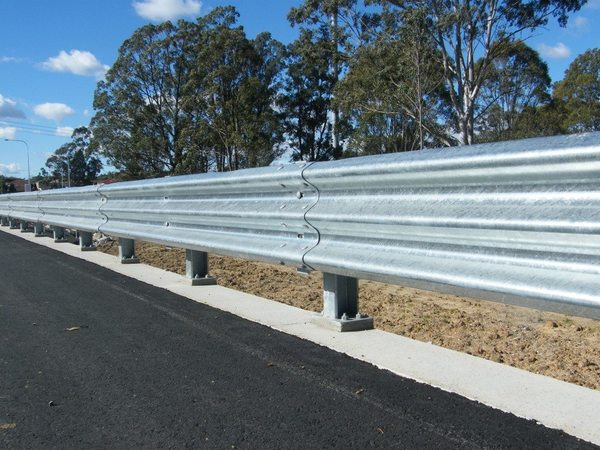
W Beam Crash Barriers are the most commonly used roadside safety barriers in highway projects. Their double-wave profile provides excellent impact absorption, durability, and cost-effective performance.

Applications

✔ National Highways
✔ State Highways
✔ Expressways
✔ Industrial Roads
✔ Smart City Projects
W Beam Crash Barrier

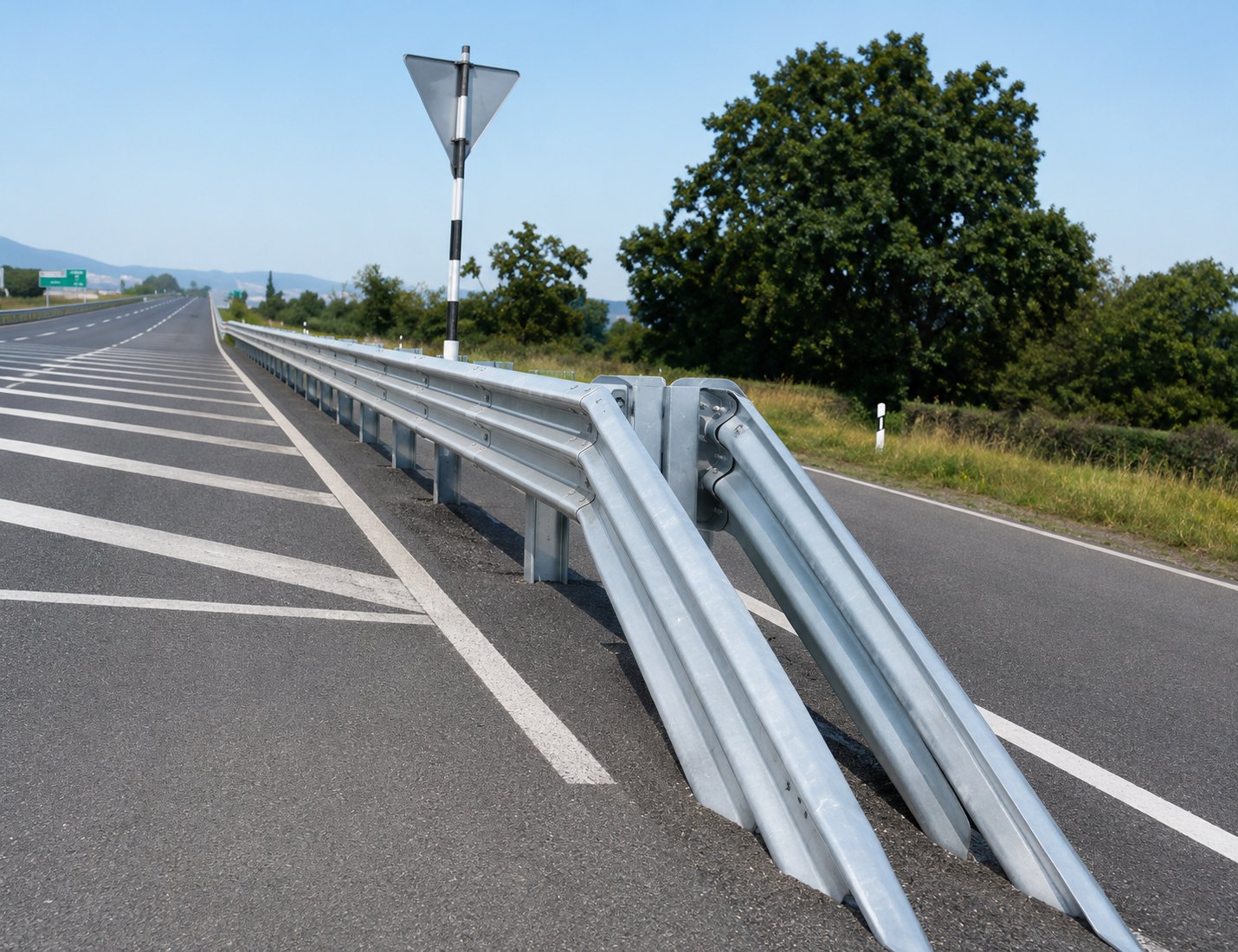
Thrie Beam Crash Barrier

Thrie Beam Crash Barriers feature a triple-wave profile that provides greater strength and higher containment capacity than W Beam systems.

Applications

✔ Bridges
✔ Elevated Corridors
✔ High-Risk Road Sections
✔ Flyovers
✔ High-Speed Expressways
W Beam Crash Barrier

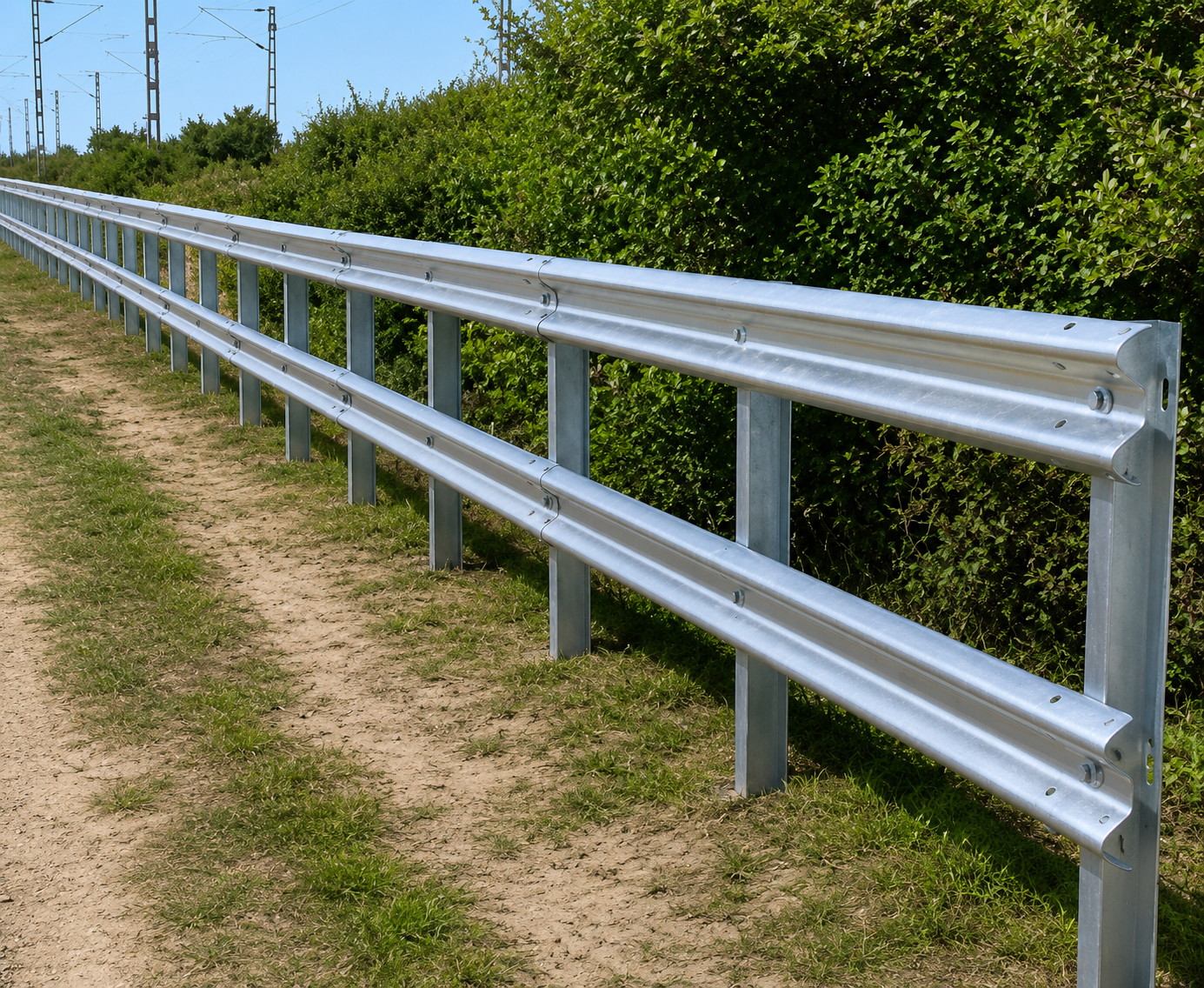
Metal Beam Crash Barrier

Metal Beam Crash Barriers are steel safety systems designed for long-term roadside protection and reliable vehicle containment.

Applications

✔ National Highways
✔ State Highways
✔ Industrial Corridors
✔ Medians & Road Dividers
✔ Curved Road Sections
✔ Road Embankments
✔ Hill Roads
✔ Smart City Road Projects
W Beam Crash Barrier

Crash Tested Barrier

Crash Tested Barriers are high-strength roadside safety systems tested to recognized standards for reliable vehicle containment, impact protection, and enhanced road safety. They are ideal for highways, bridges, and critical infrastructure projects.

Applications

✔ National Highways
✔ Expressways
✔ Bridges & Flyovers
✔ Median Dividers
✔ Toll Plazas
✔ Smart City Roads
✔ Industrial Corridors
✔ High-Risk Road Sections
W Beam Crash Barrier

Single Sided W Beam Crash Barrier

Single Sided W Beam Crash Barriers are designed to provide reliable roadside protection by absorbing impact energy and safely redirecting vehicles. They are ideal for locations where protection is required on one side of the roadway.

Applications

✔ National Highways
✔ State Highways
✔ Bridges & Flyovers
✔ Road Edges
✔ Expressways
✔ Industrial Roads
W Beam Crash Barrier

Double Sided W Beam Crash Barrier

Double Sided W Beam Crash Barriers provide protection on both sides of the roadway, making them ideal for central medians and divided highways. They offer reliable vehicle containment, impact absorption, and improved safety in high-speed traffic zones.

Applications

✔ Central Medians
✔ Divided Highways
✔ Expressways
✔ National Highways
✔ Flyovers
✔ High-Speed Road Corridors
W Beam Crash Barrier

FRP Crash Barrier

FRP (Fiber Reinforced Plastic) Crash Barriers are lightweight, corrosion-resistant safety barriers designed for effective traffic control and temporary or permanent road safety applications. They are easy to install, durable, and suitable for outdoor environments.

Applications

✔ Construction Sites
✔ Road Maintenance Projects
✔ Traffic Diversions
✔ Parking Areas
✔ Toll Plazas
✔ Event & Public Safety Zones
W Beam Crash Barrier

Railway Crash Barrier

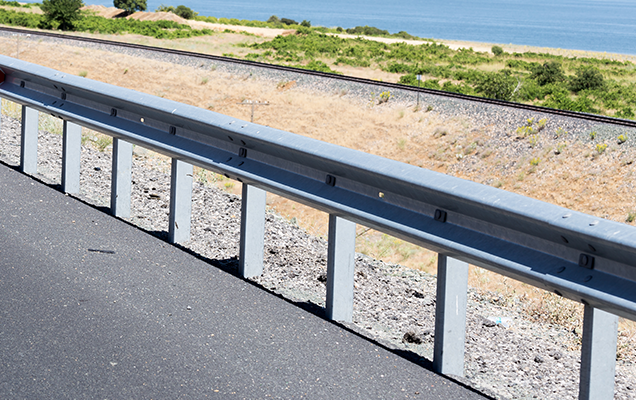
Railway Crash Barriers are high-strength safety systems designed to protect railway crossings, track-side areas, and nearby infrastructure from vehicle impacts. They provide reliable containment, durability, and enhanced safety in high-risk railway environments.

Applications

✔ Railway Crossings
✔ Track-Side Protection
✔ Railway Bridges
✔ Railway Stations
✔ Freight Corridors
✔ Metro Rail Projects
W Beam Crash Barrier

W Beam Guardrail

W Beam Guardrails are durable roadside safety systems designed to absorb impact energy, safely redirect vehicles, and reduce the severity of road accidents. They provide reliable protection on highways, bridges, and other high-speed roadways.

Applications

✔ National Highways
✔ State Highways
✔ Expressways
✔ Road Curves & Embankments
✔ Bridges & Flyovers
✔ Industrial Roads
W Beam Crash Barrier

W Beam vs Thrie Beam Crash Barrier

Parameter W Beam Thrie Beam
Profile Design Double Wave Triple Wave
Strength High Very High
Impact Resistance High Higher
Vehicle Containment Good Excellent
Suitable For Highways Bridges & Expressways
Cost Lower Higher
W Beam barriers are suitable for most highway projects, while Thrie Beam barriers are preferred for bridges, flyovers, and critical infrastructure applications.

Technical Specifications of Crash Barriers

The performance and durability of a crash barrier depend on material quality, manufacturing standards, galvanization, and installation accuracy.

Technical Specifications

Parameter Specification
Material High Strength Steel
Barrier Type W Beam / Thrie Beam
Surface Finish Hot Dip Galvanized
Compliance IRC & MORTH
Corrosion Resistance High
Application Highways, Bridges & Expressways

Major Components

  • Steel Rail
  • Steel Posts
  • Spacer Blocks
  • Fasteners
  • End Terminals
  • Reflectors
Hot-dip galvanization improves corrosion resistance and extends the service life of crash barriers.

Crash Barrier Manufacturing Process

Manufacturing quality directly impacts crash barrier performance and durability.

Manufacturing Steps

1. Raw Material Inspection
2. Roll Forming
3. Punching & Fabrication
4. Hot Dip Galvanization
5. Quality Inspection
6. Packaging & Dispatch

IRC, MORTH & International Standards

Crash barriers used in infrastructure projects must comply with recognized safety and performance standards.

Important Standards

Standard Purpose
IRC Highway Safety Guidelines
MORTH Infrastructure Specificationsm
EN 1317 Crash Testing Standards
ISO Quality Management
  • IRC Guidelines
  • MORTH Specifications
  • EN 1317 Standards
  • ISO Quality Standards
Compliance with these standards is essential for government projects, EPC contracts, and infrastructure developments.

Applications of Crash Barriers

Crash barriers are widely used across multiple infrastructure sectors.

Highway Infrastructure

  • National Highways
  • State Highways
  • Ring Roads
  • Bypass Roads

Bridge Infrastructure

  • River Bridges
  • Flyovers
  • Elevated Corridors
  • Interchanges

Industrial Infrastructure

  • Manufacturing Facilities
  • Logistics Parks
  • Industrial Corridors
  • Warehousing Projects

Transportation Infrastructure

  • Airports
  • Ports
  • Smart Cities
  • Expressways

Benefits of Hot Dip Galvanized Crash Barriers

Hot-dip galvanization is one of the most effective corrosion protection methods used in crash barrier manufacturing.

Benefits

● Superior Corrosion Resistance
● Longer Service Life
● Lower Maintenance Costs
● Better Lifecycle Value
● Enhanced Environmental Durability

Galvanized vs Non-Galvanized Crash Barriers

Parameter Galvanized Non-Galvanized
Corrosion Resistance Excellent Limited
Service Life Longer Shorter
Maintenance Cost Lower Higher
Rust Formation Minimal Higher Risk
Lifecycle Cost Lower Higher
Galvanized crash barriers are preferred for long-term infrastructure projects because of their durability and reduced maintenance requirements.

How to Select the Right Crash Barrier

Selecting the right crash barrier depends on:

  • Road Type
  • Vehicle Speed
  • Traffic Volume
  • Project Location
  • Safety Requirements
  • Compliance Standards
  • Environmental Conditions

Barrier Selection Guide

Project Type Recommended Barrier
Highways W Beam
Expressways W Beam / Thrie Beam
Bridges Thrie Beam
Flyovers Thrie Beam
Industrial Roads Metal Beam
Medians Wire Rope
The correct barrier selection improves safety performance and long-term project value.

Crash Barrier Buying Guide

Before purchasing crash barriers, evaluate:

● Manufacturer Experience
● ISO Certification
● IRC Compliance
● MORTH Compliance
● Manufacturing Capacity
● Quality Control Systems
● Delivery Capability
● Technical Support

The lowest-priced crash barrier is not always the most cost-effective solution over its lifecycle.

Crash Barrier Installation & Maintenance

Installation Process

  • Site Survey
  • Layout Marking
  • Post Installation
  • Rail Installation
  • Fastening
  • Alignment Verification
  • Final Inspection

Correct installation is critical for effective crash barrier performance.

Maintenance Checklist

  • Visual Inspection
  • Fastener Inspection
  • Alignment Check
  • Corrosion Monitoring
  • Damage Assessment

Routine maintenance helps maximize service life and maintain safety performance.

Why Choose VNM Infratech?

🏆

16+ Years of Industry Experience

Extensive expertise in road safety infrastructure manufacturing.

ISO Certified Manufacturing

Quality-focused production systems and process controls.

📋

IRC & MORTH Compliance

Products manufactured according to recognized infrastructure standards.

🚚

PAN India Supply

Reliable delivery support across India.

🌍

Global Market Reach

Capability to serve international infrastructure projects.

🏭

Advanced Manufacturing Infrastructure

Modern fabrication systems for precision engineering and consistent quality.

🛠️

Technical Expertise

Dedicated support for EPC contractors, infrastructure developers, consultants and government agencies.

🔍

Quality Assurance

Comprehensive inspection procedures throughout the manufacturing process.

Frequently Asked Questions (FAQs)

What is a crash barrier?

A crash barrier is a roadside safety system designed to absorb impact energy, redirect vehicles, and reduce the severity of road accidents.

Who is a crash barrier manufacturer?

A crash barrier manufacturer designs, fabricates, galvanizes, and supplies highway safety barriers used on roads, bridges, expressways, and infrastructure projects.

Which crash barrier is best for highways?

W Beam Crash Barriers are widely used on highways because they provide reliable vehicle containment, impact absorption, and cost-effective performance.

What is the difference between W Beam and Thrie Beam crash barriers?

W Beam barriers have a double-wave profile, while Thrie Beam barriers have a triple-wave profile that offers higher containment strength and impact resistance.

Where are crash barriers installed?

Crash barriers are installed on highways, bridges, flyovers, medians, expressways, industrial roads, airports, and ports.

Why are crash barriers galvanized?

Hot-dip galvanization protects steel against corrosion, extends service life, and reduces maintenance requirements.

What material is used in crash barriers?

Most crash barriers are manufactured using high-strength galvanized steel.

What standards should crash barriers comply with in India?

Crash barriers should comply with IRC guidelines, MORTH specifications, and project-specific requirements.

How long do galvanized crash barriers last?

The lifespan depends on environmental conditions, galvanization quality, maintenance practices, and project requirements.

Are crash barriers mandatory on highways?

Crash barriers are commonly required in locations where roadside hazards, bridges, medians, embankments, or safety risks exist.

What is a guardrail?

A guardrail is another commonly used term for a crash barrier or roadside safety barrier.

Why are Thrie Beam crash barriers used on bridges?

Thrie Beam barriers offer higher containment capacity and additional structural strength for bridge applications.

Can crash barriers be customized?

Yes. Crash barriers can be manufactured according to project specifications and engineering requirements.

What industries use crash barriers?

Road construction, highways, bridges, airports, ports, logistics parks, industrial facilities, and infrastructure projects.

Do crash barriers require maintenance?

Yes. Periodic inspection and maintenance help maintain safety performance and extend service life.

What factors affect crash barrier cost?

Barrier type, steel prices, galvanization, project quantity, transportation, and installation requirements.

Why is hot-dip galvanization important?

It improves corrosion resistance and protects steel against environmental exposure.

What are roadside protection systems?

Roadside protection systems include crash barriers, guardrails and other vehicle restraint systems.

Are crash barriers suitable for expressways?

Yes. Crash barriers are widely used on expressways to improve safety and reduce accident severity.

What is vehicle containment?

Vehicle containment refers to the ability of a crash barrier to safely redirect and control a vehicle during impact.

Can crash barriers be used in industrial facilities?

Yes. Crash barriers are commonly used to protect equipment, buildings, and vehicle movement areas.

How do crash barriers improve road safety?

Crash barriers reduce accident severity by preventing vehicles from leaving the roadway and colliding with roadside hazards.

Why choose VNM Infratech?

VNM Infratech offers 16+ years of experience, ISO-certified manufacturing, IRC and MORTH compliance, PAN India supply, and technical support for infrastructure projects.

Request a Quote

Looking for a trusted Crash Barrier Manufacturer in India?

VNM Infratech provides W Beam Crash Barriers, Thrie Beam Crash Barriers, Metal Beam Crash Barriers, Highway Safety Barriers, and Roadside Protection Systems for highways, bridges, expressways, industrial projects, EPC contracts, and government infrastructure developments.

Contact our team today for :

  • Technical Consultation
  • Project-Specific Recommendations
  • Bulk Orders
  • Government Projects
  • EPC Contractor Support
  • Export Inquiries
  • Competitive Pricing
  • PAN India Deliver